Raising Responsible Kids Through Shared Family Planning: A Modern Parent’s Guide
If your daily routine sounds a lot like a relay race where you're the only runner carrying all the batons, you're not alone. Between school drop-offs, grocery runs, extracurriculars, and the endless stream of "Did you remember to…?" it's easy to feel like the family's default project manager.
But what if planning wasn't a solo act? What if it was a team sport? Shared family planning does more than keep schedules aligned. It's one of the most effective, research-backed ways to teach kids responsibility, independence, and teamwork. And with modern tools like ClanPlan, you don't need to add hours to your day to make it happen.
In this guide, we'll explore why shared planning works, how to tailor it to your child's age, and simple strategies to turn family organization into a habit that actually sticks.
Why Shared Planning Builds Real Responsibility
When kids are handed a schedule already filled out, they're passengers. When they help build it, they become co-pilots. That shift is where responsibility takes root.
Shared planning works because it taps into three core developmental needs: autonomy, competence, and connection.
✅ What shared planning builds:
- Ownership drives follow-through: Children are far more likely to complete a chore or homework block they helped schedule
- Predictability reduces friction: A visible, shared plan eliminates guesswork, power struggles, and last-minute scrambles
- Quiet skill-building: Kids practice time management, prioritization, negotiation, and accountability naturally
- Stronger family bonds: Planning together sends a clear message: "Your voice matters. You're part of this team."
❌ What happens with top-down scheduling:
- Kids become passive recipients of instructions, not active participants
- Constant reminders lead to parental burnout and child resistance
- Missed tasks feel like failures instead of learning moments
- The mental load stays entirely on one parent, creating household tension
That's not just good parenting. It's the foundation of lifelong responsibility. Responsibility isn't handed down. It's practiced together.
Age-Appropriate Ways to Involve Kids
Responsibility isn't one-size-fits-all. The key is matching expectations to your child's developmental stage while keeping the process engaging and low-pressure.
👶 Ages 3–5: Visuals & Simple Choices
- Abstract time concepts don't click yet, but routine does
- Use picture-based schedules or color-coded blocks
- Let them make simple choices: "Pack lunch before or after brushing teeth?"
- Track completion with stickers or a quick high-five
🧒 Ages 6–9: Structure & Step-by-Step Ownership
- Handle basic calendar awareness and task delegation
- Break responsibilities into clear steps with checkboxes
- Hold a quick 10-minute weekly family huddle to review ahead
- Praise effort and consistency over flawless execution
🧑 Ages 10+: Co-Planning & Leadership
Teens are ready for real autonomy. Involve them in meal planning, coordinating transportation, or managing a small activity budget. Let them lead a portion of the weekly check-in. At this stage, they can use planning tools independently, set their own reminders, and troubleshoot scheduling conflicts. Your role shifts from manager to coach. Start small, celebrate progress, and adjust as they mature.
How ClanPlan Makes It Seamless
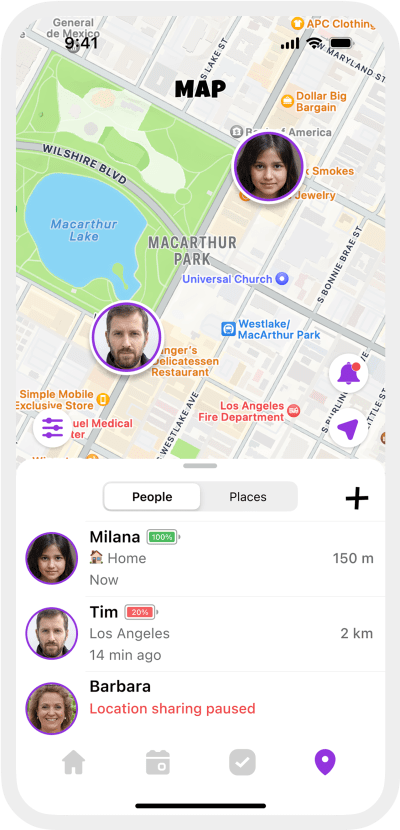
You don't need to reinvent the wheel to make shared planning work — you just need the right hub. That's where ClanPlan comes in. We built it to take the mental load off parents while giving kids a clear, engaging way to participate.
✨ How ClanPlan builds responsibility:
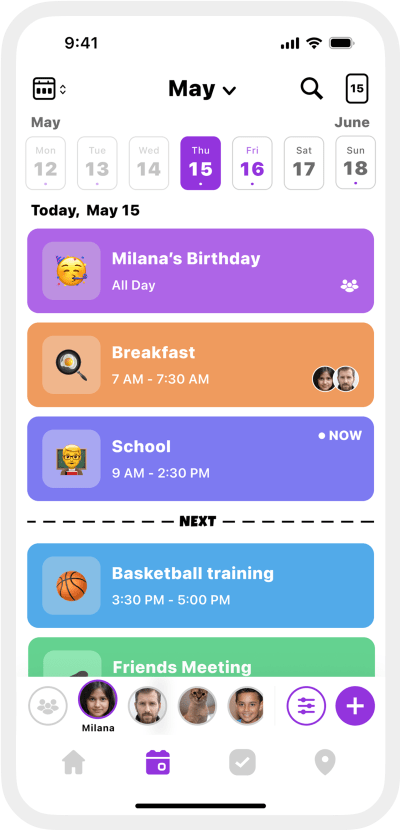
- Shared Calendar with Kid-Friendly Views: Visual, color-coded schedules make it easy for kids to see what's theirs, when it's due, and what comes next
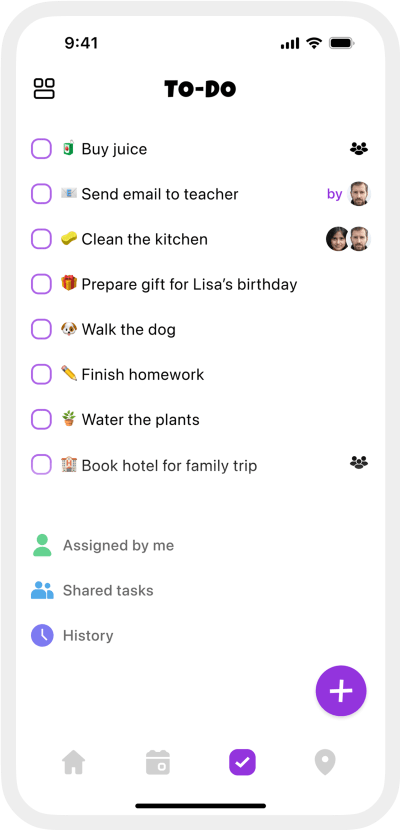
- Task Assignment & Progress Tracking: Assign chores, homework blocks, or prep steps with clear deadlines. Kids check items off as they go
- Gentle Reminders: Ditch the third reminder. Age-appropriate notifications let kids self-manage without constant parental follow-up
- Family Chat & Shared Notes: Keep all the "what, when, and how" in one place. Kids ask questions and share updates without derailing your day
🔄 Try the Sunday Reset:
- Spend 15 minutes opening ClanPlan together
- Review the week ahead and assign new tasks
- Let kids pick a weekend reward they've earned
- Align schedules, reinforce accountability, and start the week on the same page
5 Practical Tips for Long-Term Success
Shared planning only works if it becomes a habit, not a chore. Here's how to keep it sustainable:
- Start Small: Introduce one or two shared responsibilities per week. Scale up only when the routine feels natural.
- Keep It Visible: Whether it's a tablet on the kitchen counter or a printed snapshot of the weekly view, placement matters. Out of sight = out of mind.
- Normalize Mistakes: Missed a task? Treat it as a troubleshooting moment, not a failure. Ask, "What got in the way? How can we adjust?"
- Rotate the "Family Captain" Role: Let kids take turns leading the weekly check-in. It builds leadership and keeps engagement high.
- Review & Refine Weekly: Spend five minutes asking what worked, what didn't, and what to tweak. Flexibility keeps the system alive.
Turn Planning Into a Team Sport
Teaching responsibility isn't about handing kids a checklist and walking away. It's about inviting them into the process, giving them the tools to succeed, and trusting them to step up. Shared family planning does exactly that — transforming daily logistics into lifelong skills, one small commitment at a time.
The secret isn't perfection. It's consistency, communication, and a system that grows with your family.
Ready to give it a try?
Start your ClanPlan trial and experience what happens when everyone owns their part of the schedule. Share your first family planning win with us using #ClanPlanFamilies.


Free to download • No ads • Built for modern families
Conclusion
Because when we plan together, we raise kids who know how to show up — for themselves, and for each other. ClanPlan isn't just a scheduling app. It's a daily classroom for responsibility, teamwork, and family connection. Let your kids step into the driver's seat, one shared plan at a time.