
You Didn't Just Plan the Weekend. You Carried the Mental Load.
You didn't just plan the weekend. You remembered who's gluten-free, found a place with parking, sent three "hey, are you still coming?" texts, and held the whole thing together in your head while everyone else just… showed up.
Whether it's a family reunion, a sibling group chat, a trip with friends, or coordinating with neighbors—you know exactly what this feels like. If so, you're carrying what psychologists call the mental load: the invisible, ongoing cognitive work of remembering, tracking, coordinating, and following up. It's not the physical act of booking a table or packing a car. It's the background process that never closes. And in almost every group, it falls to the same person.
You don't have to carry it alone. The fix isn't working harder or building a better checklist. It's planning together. And when coordination shifts from solo to shared, everything changes.
What the Mental Load Actually Looks Like
Mental load rarely announces itself. It sneaks in through small, seemingly manageable tasks that compound over time:
- Researching venues, comparing prices, and checking availability
- Tracking RSVPs, dietary needs, childcare, or accessibility requests
- Managing split payments, deposits, and last-minute changes
- Sending gentle (but exhausting) follow-ups when people go quiet
- Holding the "backup plan" in your head just in case things fall through
The drain doesn't come from doing one of these things. It comes from carrying all of them. Mental load is the constant hum of "I need to remember this" running in the background while you're trying to relax, work, or actually enjoy the people you care about. It's invisible labor. And because it's invisible, it's rarely shared.
It doesn't matter if it's a cousin WhatsApp thread, a friend group planning a cabin weekend, or a neighborhood organizing a block party. The invisible work looks the same. The exhaustion feels the same.
Why We Fall Into the "Default Planner" Trap
Nobody wakes up and volunteers to be the group's project manager. It happens through quiet social inertia:
✅ How it starts:
- Someone always steps up first. If you're organized, responsive, or just hate plans falling through, you naturally fill the gap.
- The group adapts to your reliability. People get used to you handling it. They assume you've got it covered.
- The path of least resistance wins. It's faster to just do it yourself than to negotiate, delegate, or risk plans stalling.
- No one wants to be the "annoying" planner. So you absorb the friction to keep the peace.
❌ Where it leads:
- Default coordination stops being a choice and becomes a role
- Planning isn't a personality trait—it's a system failure
- When coordination relies on one person's memory and bandwidth, burnout is inevitable
The Real Cost of Carrying It Alone
The toll isn't just logistical. It's emotional, social, and deeply unsustainable.
💡 When the load is shared:
- Decision fatigue lifts, calendar anxiety fades
- Resentment dissolves; gatherings feel fun again
- Attendance stabilizes, effort balances out
- Quieter members feel included in the process
- "Planning" gives way to "connecting"; group energy rises
⚠️ When you carry it alone:
- Personal: Decision fatigue, calendar anxiety, creeping resentment that makes even fun gatherings feel like obligations
- Social: Flaky attendance, uneven effort, quieter members feeling left out
- Group-wide: Fewer hangouts, diluted energy, a culture where "planning" replaces "connecting"
Families drift apart. Friend groups lose momentum. Community clubs stagnate. All because the invisible work of coordination feels too heavy to sustain.
Friendship, family, and community shouldn't feel like project management. But when you're using mismatched tools (group chats, scattered notes, manual follow-ups) to coordinate people, that's exactly what you're building.
How Planning Together Actually Fixes It (And Even Makes It Fun)
The solution isn't more willpower. It's better architecture. When planning shifts from solo to shared, three powerful changes happen:
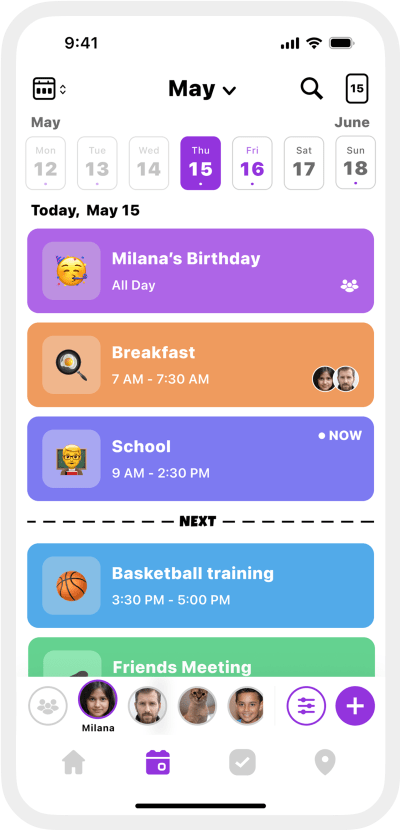
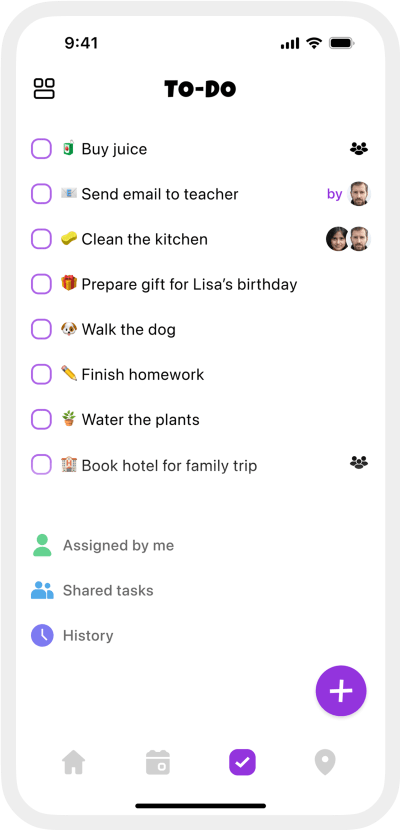
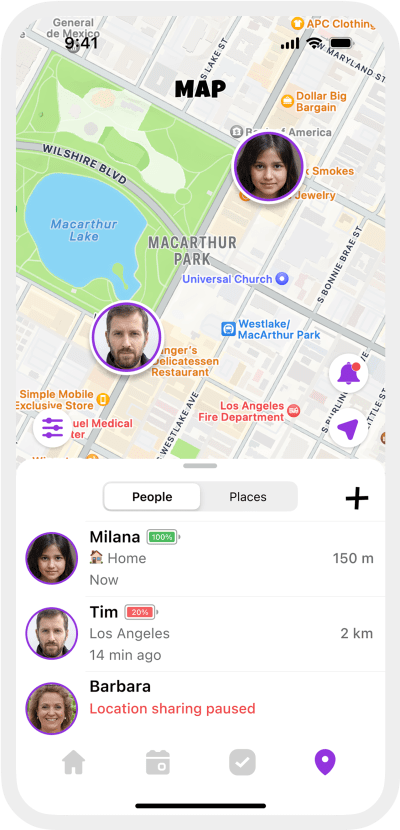
✨ Three transformative shifts:
- Invisible → Visible: All details, preferences, deadlines, and decisions live in one shared space. No one has to guess or remember.
- Solo → Shared: Tasks distribute naturally. Who's finding the venue? Who's tracking RSVPs? Who's handling the playlist or grocery list? The load spreads because the work is transparent.
- Manual → Automated: Reminders, RSVP tracking, and gentle nudges happen without you typing them. The system follows up so you don't have to.
🔄 The psychological shift:
- Visibility creates ownership: When everyone can see the plan, everyone shares responsibility
- When heavy lifting is handled by a tool built for real-world coordination, you finally step back into your actual role: a friend, a sibling, a parent, a neighbor
- Not a coordinator. Not a reminder service. Just you, showing up ready to connect
How to Share the Load (Without the Awkward Talk)
You don't need a group meeting or a blunt "I'm exhausted" text to change how your circle plans. Start small, keep it frictionless, and let the new system speak for itself:
- Pick one upcoming event. A family dinner, a weekend hike, a birthday party, a neighborhood cleanup. Something real, but not overwhelming.
- Drop a shared link instead of a text thread. Create the plan in ClanPlan and share the direct invite. Most people will view details and RSVP without needing to download anything upfront.
- Frame it as an upgrade, not a correction. "Let's make this easier for all of us. I dropped everything here so we don't have to chase it in chat."
- Use built-in sharing features. Polls for dates, task tags for who's handling what, and auto-reminders for RSVPs. Let the app do the heavy lifting.
- Set a gentle new norm. "All logistics live here now. The group chat stays strictly for fun."
Within one event, you'll notice the shift: fewer "wait, when again?" messages, less follow-up fatigue, and more people actually taking ownership because the path to participation is clear.
Planning Is About Human Connection
The mental load isn't your fault. It's a symptom of using conversational and scheduling tools to solve a coordination problem. You were never meant to carry it alone.
Shared planning doesn't just save time. It saves energy, reduces resentment, boosts turnout, and gives your group back the hours they used to spend coordinating instead of connecting. When the logistics are handled, the relationship gets to breathe.
Ready to stop carrying it all?
Try ClanPlan for your next gathering. Let your circle plan together, so you can just show up—ready to connect, not coordinate.


Free to download • No ads • For families, friends, neighbors, communities
Conclusion
Mental load isn't a character flaw. It's not a sign you're "bad at delegating." It's a signal: you're using the wrong tools to solve the right problem. Friendship, family, and community are about connection—not coordination.
When logistics are handled gracefully, relationships get room to grow. ClanPlan isn't another to-do list. It's a space where planning becomes invisible so connection can become visible. Let your circle plan together. You just show up—as a friend, as family, as yourself.